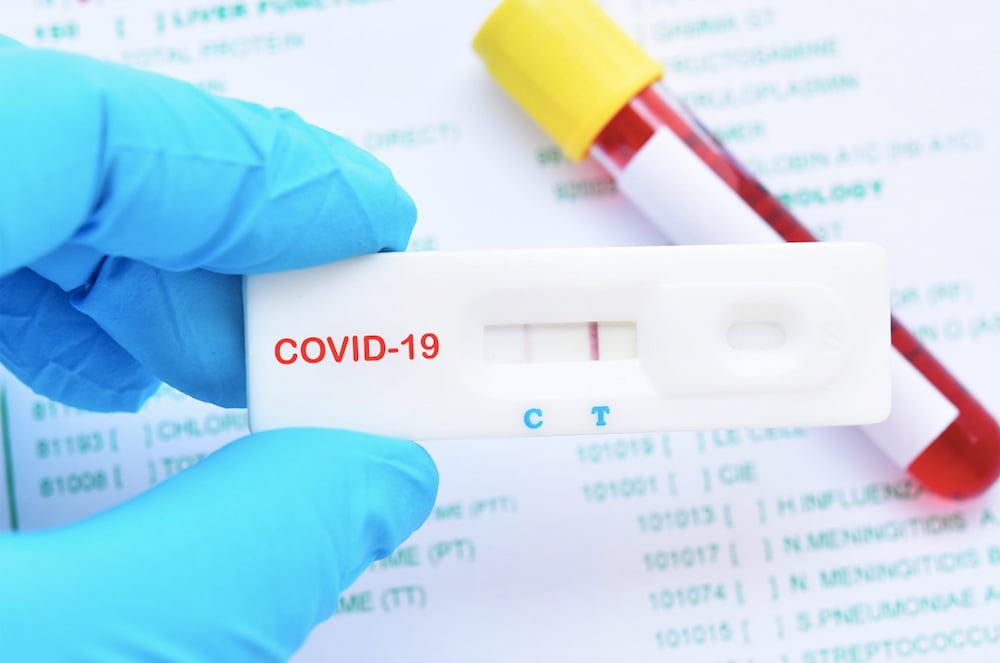
The current global pandemic caused by the novel coronavirus has put a spotlight on the COVID-19 antibody testing process. It is important for people to understand how it works and what it can help them determine. This article will provide an overview of COVID-19 antibody testing in the United States, including how it works, its accuracy, and its implications for individuals.
The article will also discuss why it is important for people to know about antibody testing and why it may be beneficial for some individuals. Additionally, information regarding different types of tests available in the US, as well as potential challenges individuals may experience when trying to access testing, will be provided. Finally, the article will include resources that can help individuals find out more about COVID-19 antibody testing in their area or state.
COVID-19 antibody tests are an important part of understanding the virus and taking action to protect ourselves and others from its spread. With that in mind, this article seeks to provide an informative overview of what individuals should know about these tests in order to make informed decisions regarding their health and safety during this difficult time.
Overview Of Covid Antibody Testing
Covid antibody testing is an important tool for determining if a person has been exposed to the virus. It is different from other tests, such as PCR or antigen testing, which detect the presence of active infection.
Instead, Covid antibody tests look for immunity by detecting antibodies in the body that were produced in response to an earlier infection.
The availability of Covid antibody testing has increased significantly since its introduction and it can now be done at certain healthcare provider offices, urgent care centers, and pharmacies in the USA.
Covid antibody tests are usually performed using a blood sample that is sent to a lab and analyzed for specific antibodies associated with SARS-CoV-2.
Depending on the type of test used, results may take up to several days to be available. While positive results indicate past exposure to SARS-CoV-2, it does not necessarily mean that the person is currently infected or immune from reinfection.
Thus, individuals should continue following safety protocols such as wearing masks and social distancing even after receiving a positive result from their Covid antibody test.
What Is An Antibody Test?
An antibody test is a type of medical diagnostic test that detects the presence of antibodies in a person’s body. Antibodies are proteins produced by the body to fight off foreign substances, such as viruses and bacteria.
In the case of COVID-19, an antibody test can detect if someone has previously been infected with the virus. This type of testing is different from other types of COVID-19 testing, such as molecular PCR tests which detect current infections. Here are some key points about antibody testing:
• It can help determine if a person has been exposed to or infected with SARS-CoV-2 in the past.
• Antibody tests do not diagnose active infections – only previous exposure to the virus.
• Results are usually available within 15 minutes to several hours depending on the type of test being used.
• False negatives may occur, so it is important to repeat testing when necessary.
Antibody tests provide valuable information that can help inform medical decisions and direct public health strategies for managing COVID-19 outbreaks. It is important for people who get tested to understand how these tests work and what their results mean for them personally and for their communities at large.
Benefits Of Covid Antibody Testing
Covid antibody testing offers a number of benefits to those who are interested in understanding their potential exposure to the virus.
It can provide individuals with greater insight into their health and inform decisions about protection for themselves and others. Additionally, it can be used to inform healthcare providers about potential treatments.
This type of test is important for controlling the spread of the virus by providing information about who may have been exposed or infected previously.
It also helps to identify individuals who may benefit from certain treatments or medications. Furthermore, it can help to identify people who are at higher risk for severe illness due to prior infection, allowing appropriate preventive measures to be taken for those individuals.
Covid antibody testing provides an important tool in managing the pandemic and helping individuals protect their health more effectively.
How To Access Covid Antibody Testing In The USA
Accessing a COVID-19 antibody test in the USA is relatively straightforward. Tests are available both through private medical providers and public health departments, though availability can vary by location.
Private providers typically require a doctor’s order and may not be covered by insurance, while public testing sites often do not require a doctor’s order and may be free or low-cost.
When seeking an antibody test, it is important to understand the accuracy of the particular test being used and the implications of receiving a positive or negative result.
Knowing how to interpret results correctly can help inform decisions about any necessary follow-up care or procedures. It is also important to be aware of any potential risks associated with taking a COVID-19 antibody test and how these risks might vary depending on the type of test being used.
Read Also
- Full-Arch Dental Tourism: Why UK Patients With Severe Bone Loss Are Looking Abroad
 Dental implants have become one of the fastest-growing segments of private dentistry. Within that market, one patient group behaves very differently from the rest: people who have been told they do not have enough upper jawbone for conventional implants. For these patients, the choice is rarely between one clinic and another. It is between a… Read more: Full-Arch Dental Tourism: Why UK Patients With Severe Bone Loss Are Looking Abroad
 - Levels of Mental Health Care and When to Seek SupportMental health care can range from occasional outpatient appointments to 24-hour hospital treatment. The appropriate level depends on safety, symptom severity, daily functioning, medical needs, available support, treatment history and personal preferences. A licensed clinician should assess these factors rather than relying on a symptom list alone. Need help now? In the United States, call… Read more: Levels of Mental Health Care and When to Seek Support
- How to Choose a Shilajit Brand Based on the ResearchIn a randomized trial published in the Journal of the International Society of Sports Nutrition in 2019, 63 active men took 250 mg of standardized shilajit, 500 mg, or a placebo every day for eight weeks, and the benefit for strength retention after a fatiguing workout appeared only at 500 mg. For anyone choosing a… Read more: How to Choose a Shilajit Brand Based on the Research
- How to Incorporate Relaxation into Your Busy ScheduleFinding balance when you have a packed daily agenda often feels out of reach. Between work duties, family obligations, and personal projects, personal rest usually gets pushed to the bottom of the list. Small, intentional shifts in daily habits can help restore calm without requiring hours of extra free time. Continue reading to discover everything… Read more: How to Incorporate Relaxation into Your Busy Schedule
- Red Light Therapy for Skin and Wellness: Meet Vital Red Light TherapyModern wellness is not always about complicated treatments or long routines. Many people are now looking for simple, convenient ways to support their skin, recovery, and overall wellness at home. One technology getting more attention is red light therapy. Red light therapy uses specific wavelengths of red and near-infrared light to support the body’s natural… Read more: Red Light Therapy for Skin and Wellness: Meet Vital Red Light Therapy
- Managing Shock Loss After a Hair Transplant: The Financial and Clinical Imperative of Post-Op CareIn the rapidly evolving landscape of private healthcare, executive leadership within cosmetic and restorative surgery clinics faces a dual challenge: maintaining strict clinical standards while maximizing patient lifetime value (LTV) and brand advocacy. As the global medical tourism and elective procedure markets expand, clinical outcome quality alone is no longer the sole differentiator for premium… Read more: Managing Shock Loss After a Hair Transplant: The Financial and Clinical Imperative of Post-Op Care